All Platform Scales
Skip to Main Content


€2.040,00 |
Platform Weighing Scales
Sort + Filter
Platform Weighing Scales
Sort By:

(0)
€0,00
€POA


(0)
€720,00

(0)
From
€810,00
Save
16%
16%


(0)
From€1.050,00 |
€1.050,00 | €1.240,00


(0)
€1.115,00


(0)
From
€1.190,00
Save
16%
16%


(0)
From€1.695,00 |
€1.695,00 | €1.995,00


(0)
From€1.850,00 |
€1.850,00 | €2.170,00

(0)
From€1.980,00 |
€1.980,00 | €2.330,00
(0)
€2.040,00 | €2.400,00
Choose a Platform Scale Around the Way You Handle the Load
A platform scale may have enough capacity for the job and still be unsuitable for the way your operation works. Platform height, dimensions, access, and positioning can all affect how easily goods can be weighed throughout the working day.
An undersized platform can make bulky loads awkward to position. A raised scale may be inconvenient for trolleys or wheeled goods. Pallets may require a different approach again, while equipment installed in harsher conditions may need different construction from a scale operating in a dry warehouse.
These issues can turn a simple weighing task into repeated manoeuvring, unnecessary movement, or another workaround for operators to manage. Gravitation's target audience commonly includes operations, engineering, maintenance, and procurement professionals dealing with unsuitable equipment, inefficient processes, and uncertainty about the right specification.
That is why choosing industrial platform scales should start with the application rather than capacity alone. Consider what is being weighed, how the load reaches the platform, the available space, and the conditions in which the scale will operate.
For buyers comparing several similar models, those practical differences are often what determine whether the scale fits naturally into the operation or creates another problem to solve.
Find the Right Platform Weighing Scale for Your Operation
There is no single platform weighing scale that is ideal for every factory or warehouse. The right configuration depends on the load, handling method, working environment, and what needs to happen after the weight is captured.
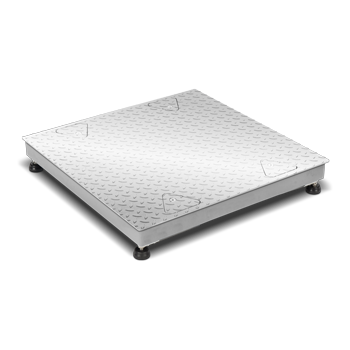
For general floor weighing, a standard platform can provide a straightforward fixed weighing point for boxes, containers, materials, and finished goods. Larger four-cell platforms may suit heavier or more awkward loads where greater platform dimensions or installation flexibility are required.
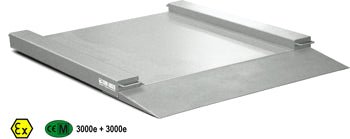
Where access is the main challenge, low-profile platforms reduce the height between the floor and weighing surface. Ramped configurations can also make it easier to move suitable trolleys and wheeled loads onto the platform.
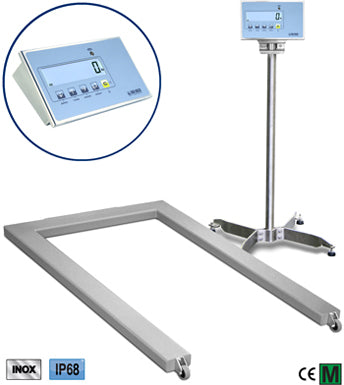
Dedicated pallet-weighing designs provide another option where palletised goods make up most of the workload. Selected models within the range also provide additional functions for applications where weighing forms part of a wider warehouse or production process.
When comparing heavy duty platform scales, focus on the details that affect everyday use:
- Load type: pallets, containers, boxes, components, materials, or wheeled goods
- Capacity: the maximum load the platform needs to handle
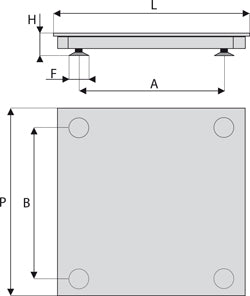
- Platform dimensions: enough usable surface area for the goods being weighed
- Loading method: manual placement, trolley, pallet truck, or forklift handling
- Approach height: especially where loads need to be wheeled onto the platform
- Installation: above-floor, ramped, or flush-floor configurations where available
- Construction: painted or stainless steel, according to the operating environment
- Available space: including the room required for the platform, ramps, and normal material movement
- Weighing functions: such as accumulation, checkweighing, or counting where supported
- Connectivity: where weight data needs to be transferred to compatible printers, PCs, PLCs, or other equipment
- Specialist requirements: including approved or hazardous-area configurations where the application requires them and the selected model supports them
You may not need every available feature. Focus on the configuration that makes weighing easier and more dependable within your existing process.
Need Help Choosing a Platform Scale?
Discuss the load, handling method, environment, and weighing requirement before deciding which platform is most appropriate.
Choose Your Industrial Platform Scale with Confidence
Buying industrial weighing equipment is not simply a matter of choosing the highest capacity or largest platform. What matters is whether the scale is suitable for the application and can be incorporated practically into the way your site operates.
Gravitation specialises in industrial weighing equipment and customised weighing solutions for organisations with specific operational requirements. Its wider expertise spans mechanical engineering, weighing technology, electronics, and computing, which supports a more application-led approach when a straightforward off-the-shelf choice is not enough.
That approach is useful when comparing platform scales. Start with the goods being weighed, consider how operators handle them and where the equipment will be installed, then narrow down the required capacity, dimensions, access, and construction.
Gravitation also displays a 5.0 Google Rating on its website and names Kildare County Council, Aer Lingus, Irish Rail, and Guinness among organisations it has worked with across its wider weighing business. These organisations demonstrate broader weighing experience and should not be presented as platform-scale customers unless that is separately confirmed.
The wider Gravitation positioning is deliberately consultative rather than purely ecommerce-led, helping customers identify equipment suited to the application instead of expecting every buyer to arrive with a finished technical specification.
Discuss Your Weighing Requirements
Not Sure Which Platform Scale You Need?
Start with the load and how it moves through your operation. Gravitation can help you compare the required capacity, platform dimensions, loading method, construction, and practical installation requirements before you choose a scale.
Frequently Asked Questions
Reviews
See what others are saying about the product & the business

Available 24/7

ISO Certified

5 Star Rated

Custom Solutions
Clients We’ve Worked With